Last updated: 13 June 2026
The best places to visit in Shkodra range from fortress walls and historic museums to lakeside villages, Adriatic beaches and full-day mountain escapes. This is our complete guide to the best things to do in Shkodër: what is where, what each place is best for, and how to combine the highlights into one smooth trip. We are the team at NÓS Albania in the city centre, and these are the places we send our own guests to, week in and week out.
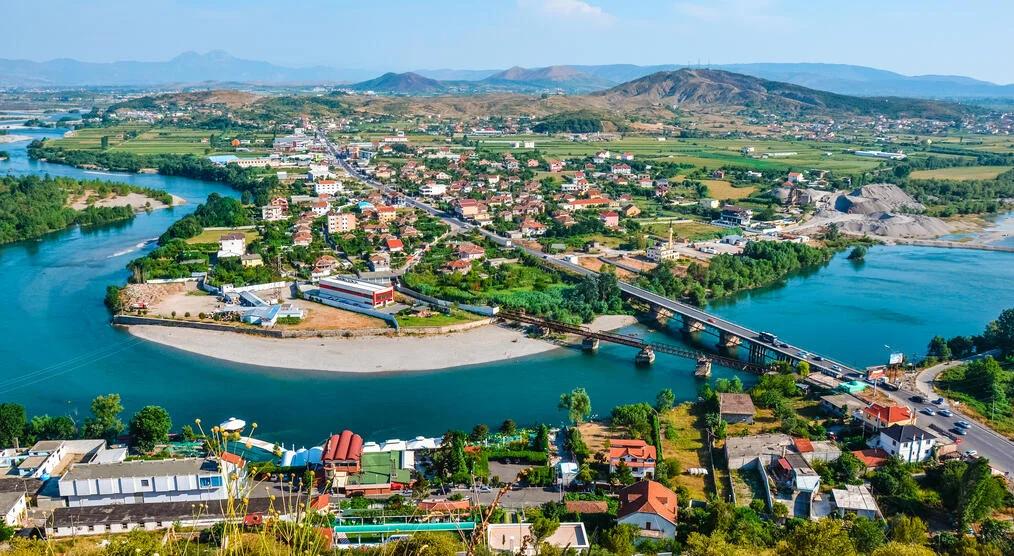
Shkodra is one of the easiest cities in Albania to explore, because culture, religion, nature and the coast all sit within a relatively compact area. You can spend one morning in the old city, move to Rozafa Castle for sunset, enjoy dinner by the lake in Shiroka, and still keep bigger day trips like Theth or the Shala River for the following days.
Shkodra at a Glance: What Is Where
Before choosing individual attractions, it helps to understand the geography. The city centre covers the museums, the pedestrian streets, the Ebu Bekr Mosque, the cathedral zone and most of the everyday café life. South and west of the centre you reach Rozafa Castle, the Lead Mosque, Shiroka, Zogaj and the Buna area. North and northeast lead toward Mesi Bridge, Drisht Castle, Prekal and the mountain roads. Farther out lie the classic nature day trips: Theth, the Shala River, Vermosh and the Adriatic beaches.
- Best for city walking: Gjuhadol, the Marubi Museum, the Site of Witness and Memory, the Ebu Bekr Mosque, the Parruca Mosque and the cathedral area
- Best for history and views: Rozafa Castle, Drisht Castle, the Shkodra History Museum and Mesi Bridge
- Best for lake sunsets: Shiroka, Zogaj, the Royal Villa in Shiroka and the Old Bridge of Buna
- Best for beach time: Velipoja, Rrjoll and Rana e Hedhun
- Best for alpine scenery: Theth, Vermosh, Prekal and the Shala River
Museums in Shkodra
If you want context before scenery, start with the museums. Shkodra has some of the strongest cultural stops in northern Albania, and together they explain why the city feels so layered, artistic and historically important.
Site of Witness and Memory
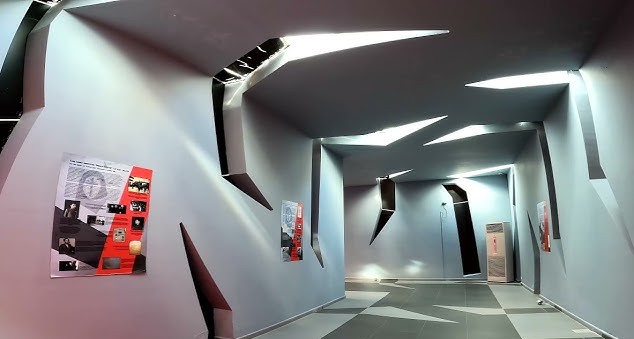
The Site of Witness and Memory is one of the most important places in the city for understanding Albania's communist period. Housed in a former prison and interrogation site, it is more than a museum in the classic sense. It is a powerful memorial space that helps you understand persecution, censorship and survival. If you want the deeper, more sobering side of the city's story, put this high on your list.
Shkoder History Museum
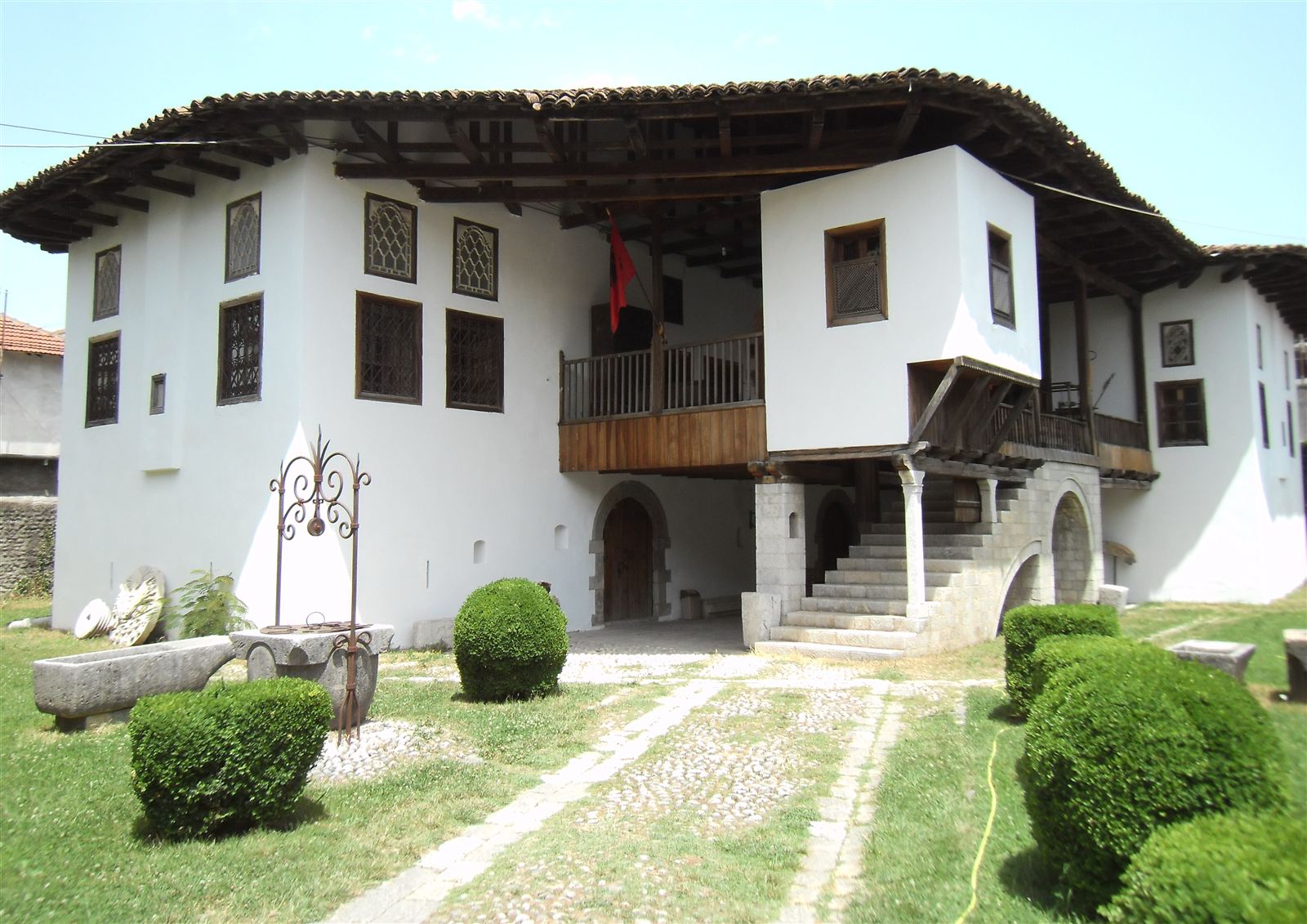
The Shkoder History Museum is a strong first stop if you want a broad introduction to the region. It presents the long story of Shkodra from antiquity through the Ottoman period to modern times, and it connects the major places you will visit later, from Rozafa to the old trade routes and the city's religious heritage. See it early in your trip and the rest of the city makes more sense.
Marubi National Museum of Photography
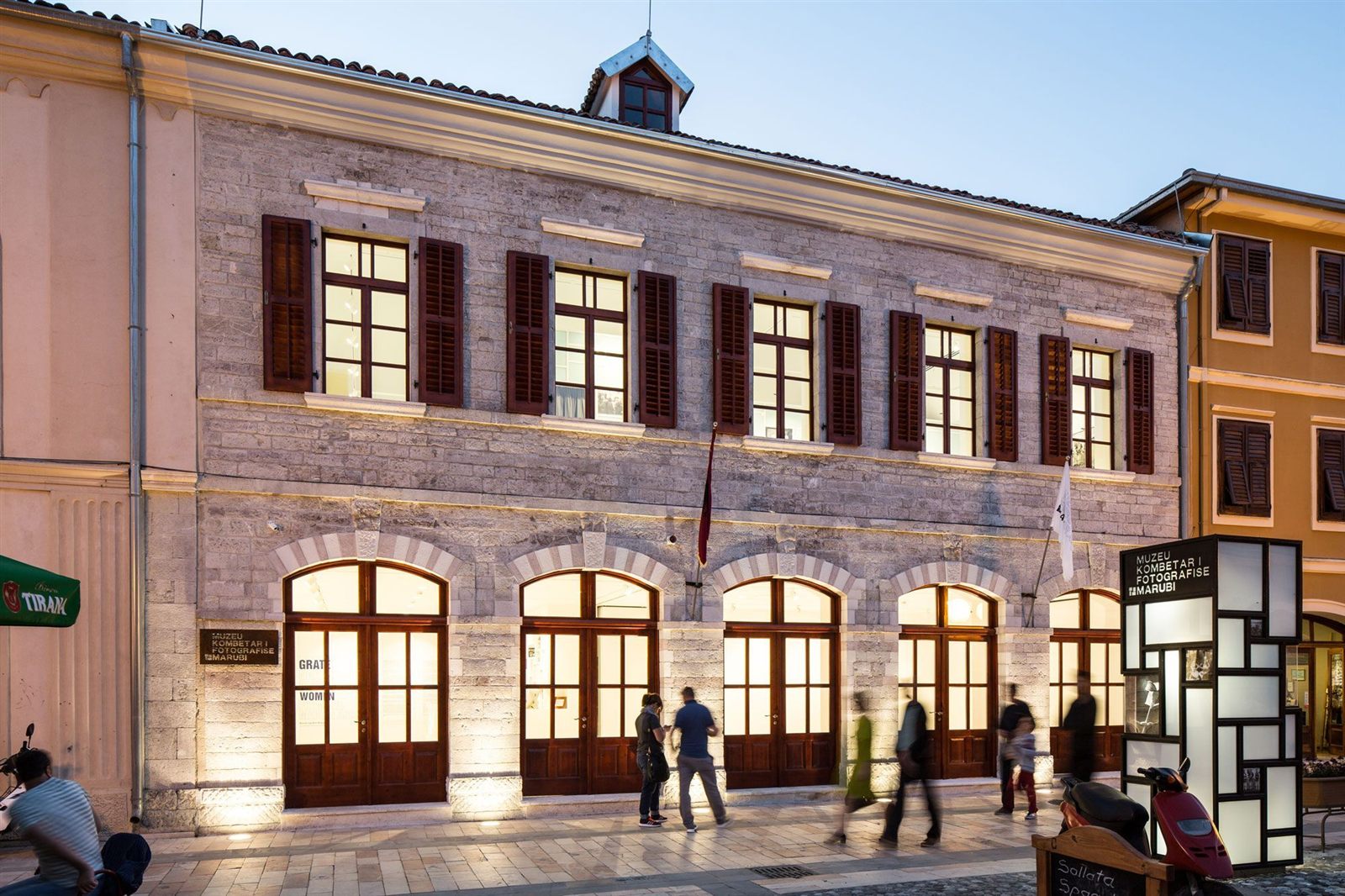
The Marubi National Museum of Photography is one of Shkodra's signature attractions and one of the most distinctive museums in Albania. The Marubi legacy began with a photo studio founded in 1856, and the museum, opened in 2016, preserves a remarkable visual archive of Albanian social, cultural and political life, including what is held to be the first photograph ever taken in Albania. Even if you are not normally a museum person, this one tends to win you over, because the photographs make history feel personal and immediate.
Muzeu Dioqezan Shkoder-Pult
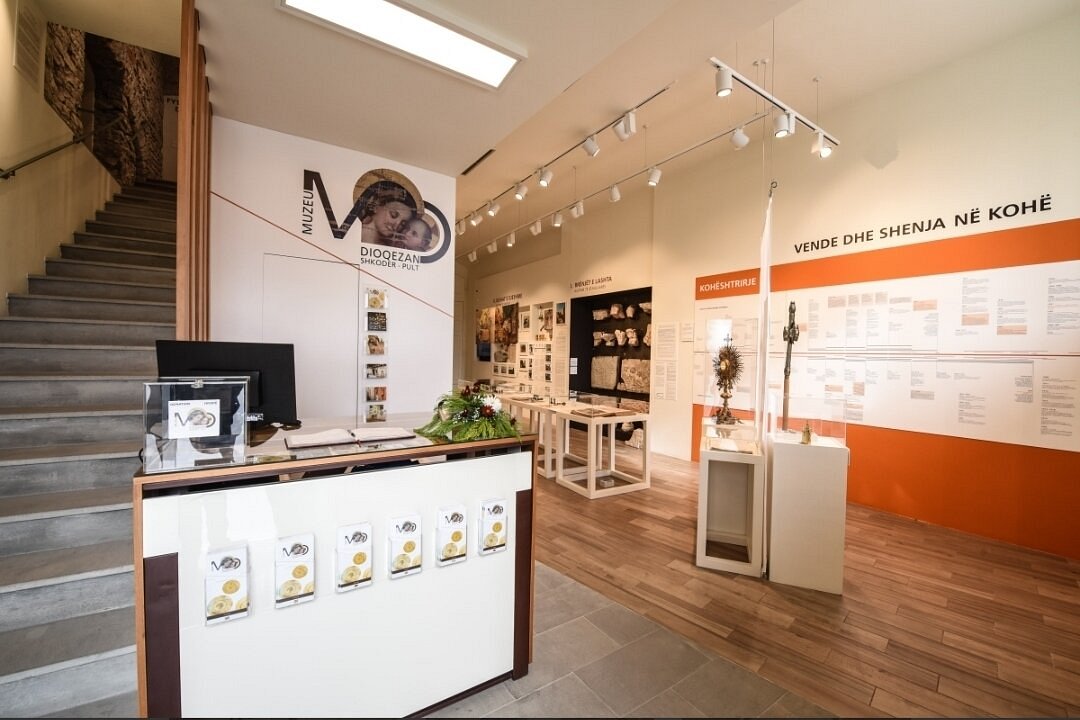
Muzeu Dioqezan Shkoder-Pult is a good stop if you are interested in sacred art, Catholic heritage and the historic role of the Archdiocese in northern Albania. It pairs especially well with a visit to the cathedral, because it adds context to the region's religious history and artistic tradition. Save it for a moment when you want something quieter and more reflective than the larger headline attractions.
Venice Art Mask Factory
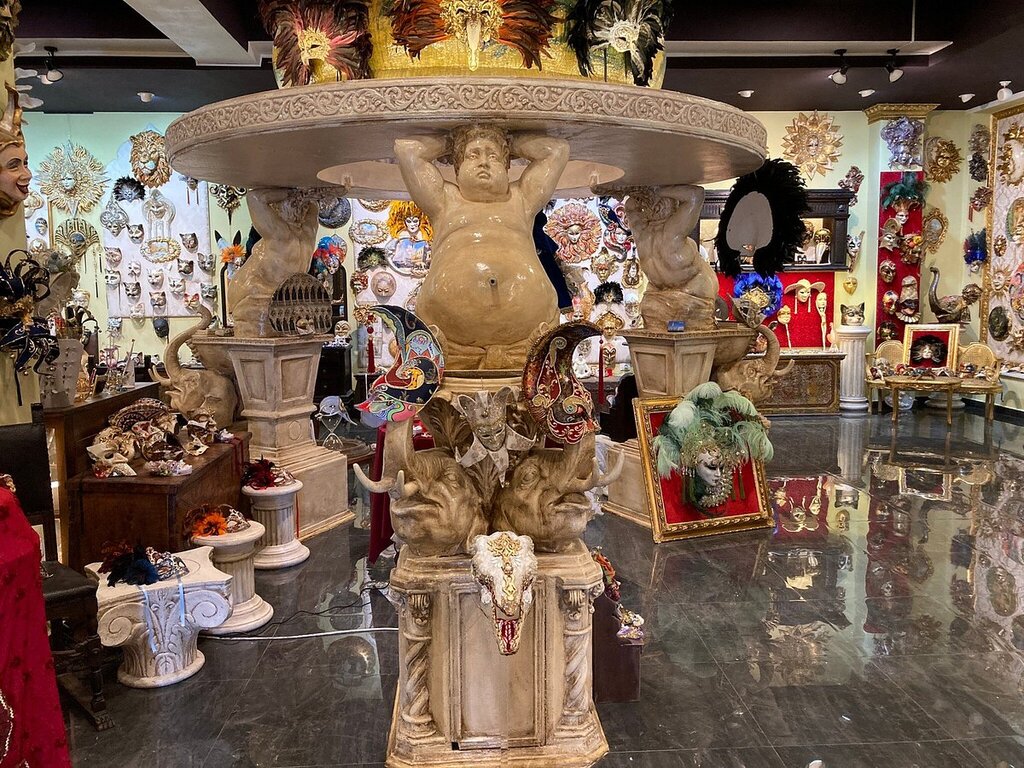
The Venice Art Mask Factory adds an artisan angle to your itinerary. It is ideal if you enjoy handmade objects, workshops and memorable gifts rather than only monuments and viewpoints. As a short, creative visit in the city, it works particularly well on a relaxed afternoon paired with Gjuhadol and the Marubi Museum.
Castles and Fortress Views
Shkodra's castles are more than ruins. They explain why the city mattered for centuries, and why so many powers fought to control this crossroads between the lake, the rivers, the mountains and the sea.
Rozafa Castle
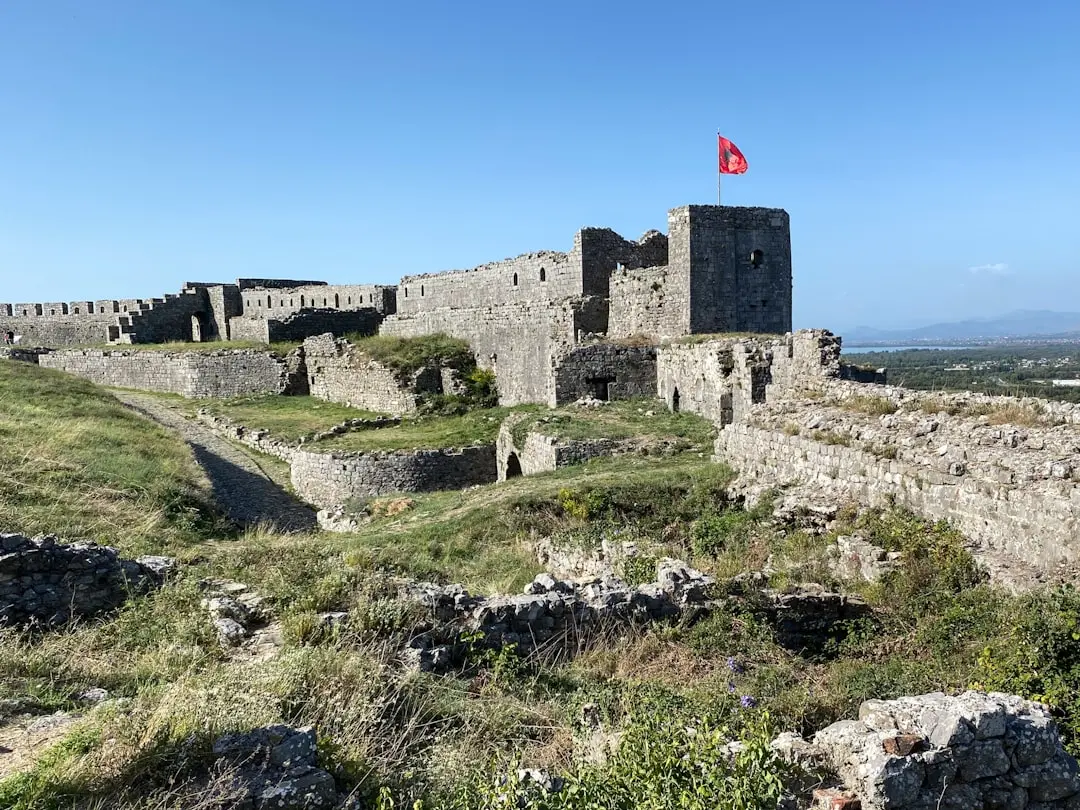
Rozafa Castle is the essential landmark of Shkodra and the city's most famous historic site. Rising on a rocky hill above the Buna and Drin rivers, it preserves layers from the Illyrian period onward, while many of the visible walls reflect later Venetian construction. The legend of Rozafa gives the fortress an emotional and mythic dimension, but even without the story this is the best panoramic viewpoint over the city, lake and plains.
For a first visit, this is usually our number one recommendation, because it combines history, scenery and photography in a single stop, and sunset here is unforgettable. If you only have half a day, pair Rozafa Castle with the Lake Shkodra area below it or with a city centre museum. The full story, legend and visiting details are in our Rozafa Castle guide.

Drisht Castle
Drisht Castle is the more atmospheric and less touristy alternative if you enjoy ruins, village scenery and medieval history. The castle stands above the village of Drisht, the medieval Drivastum, and the remains still hint at how important this settlement once was. Compared with Rozafa it feels wilder and quieter, which makes it the better pick when you want an off-the-main-route heritage stop.
Religious Places and Shkodra's Plural Identity
One of the most distinctive things about Shkodra is its visible religious diversity. Churches, mosques and Catholic institutions are not isolated attractions here. Together they tell the story of a city shaped by coexistence, resilience and a strong local identity.
Arqipeshkevia Metropolitane Shkoder, Katedralja e Shen Shtjefnit
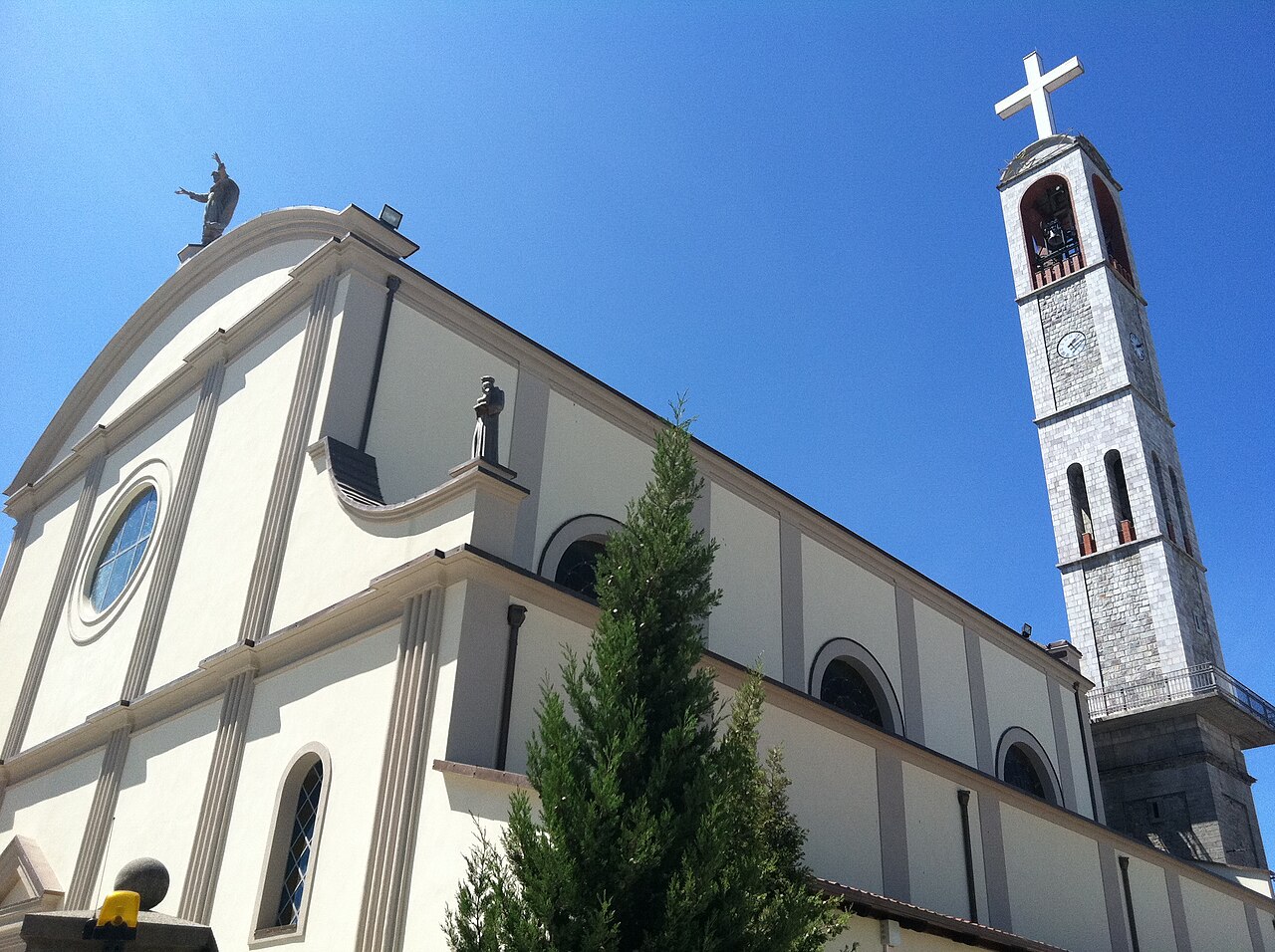
The Arqipeshkevia Metropolitane Shkoder (Katedralja e Shen Shtjefnit) is the most important Catholic landmark in the city. The present cathedral was completed in 1867 and was once one of the biggest Catholic cathedrals in the Balkans, with a very large interior capacity. It is a major spiritual and historical reference point for northern Albania, and a clear recommendation if you are interested in architecture, religion or Shkodra's civic identity.
Kisha Katolike Franceskane
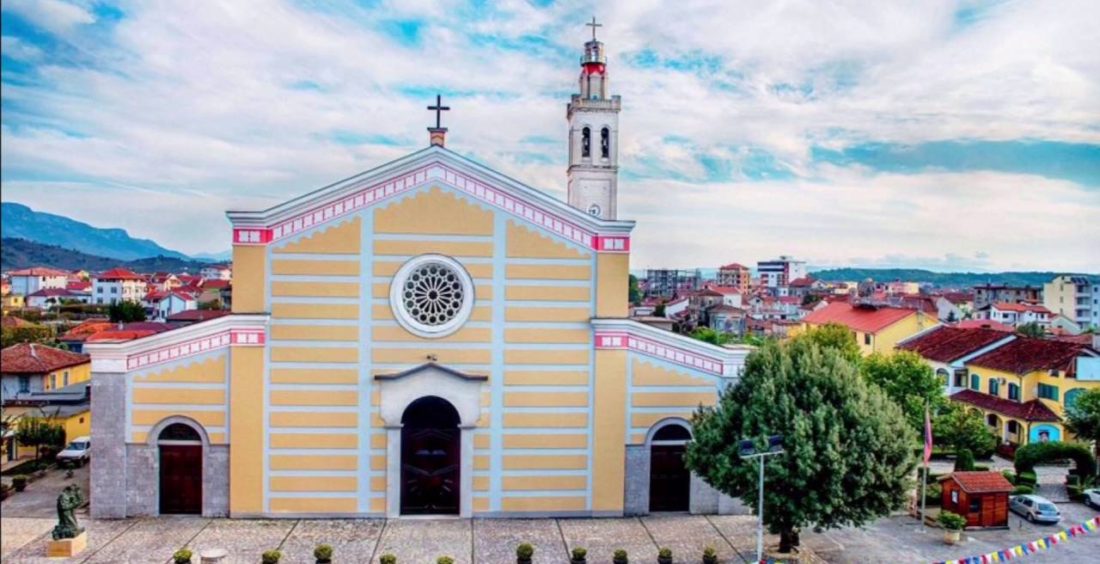
The Kisha Katolike Franceskane is another important Catholic stop, especially if you are interested in the Franciscan contribution to education, culture and faith in Shkodra. This church and its surroundings reflect the deep intellectual and spiritual traditions that shaped the city. It is a worthwhile addition when you want more than one church visit and prefer places with a local, lived-in feel.
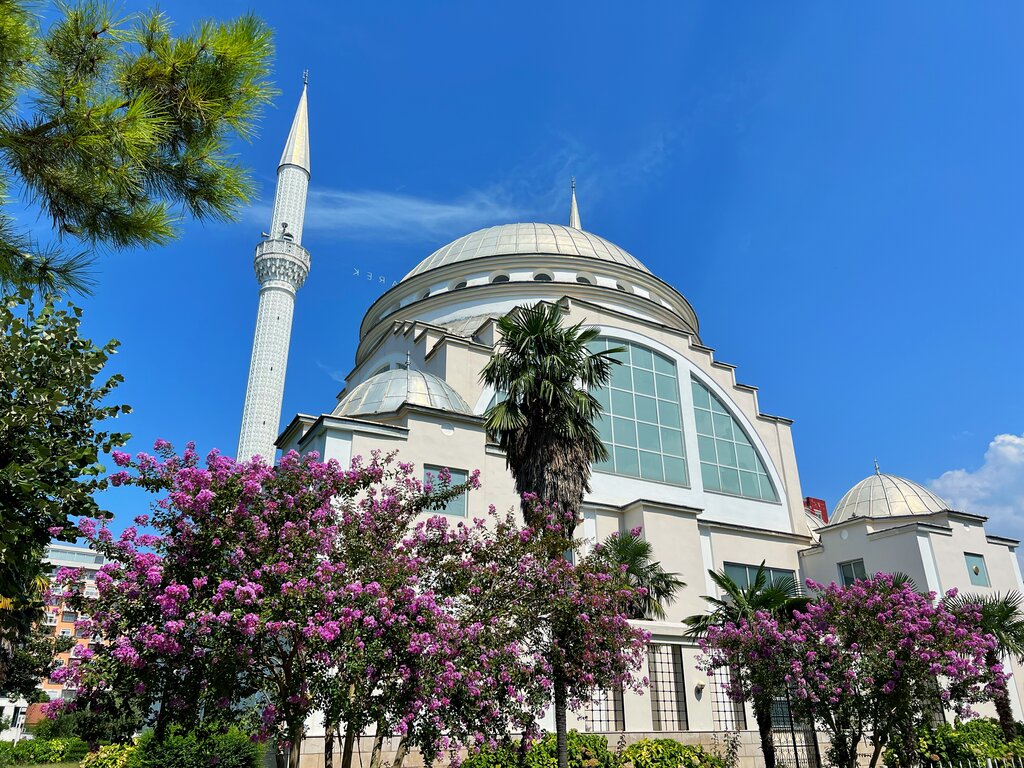
Ebu Bekr Mosque
The Ebu Bekr Mosque is one of the city's most recognisable modern religious buildings. Built in the mid 1990s on the site of the former Fushe Cela mosque, it stands near the centre and is especially striking from the surrounding streets, with its two tall minarets and large dome. It is an easy addition to a walking route through the city, and a clear reminder that Shkodra's identity is both historic and contemporary.
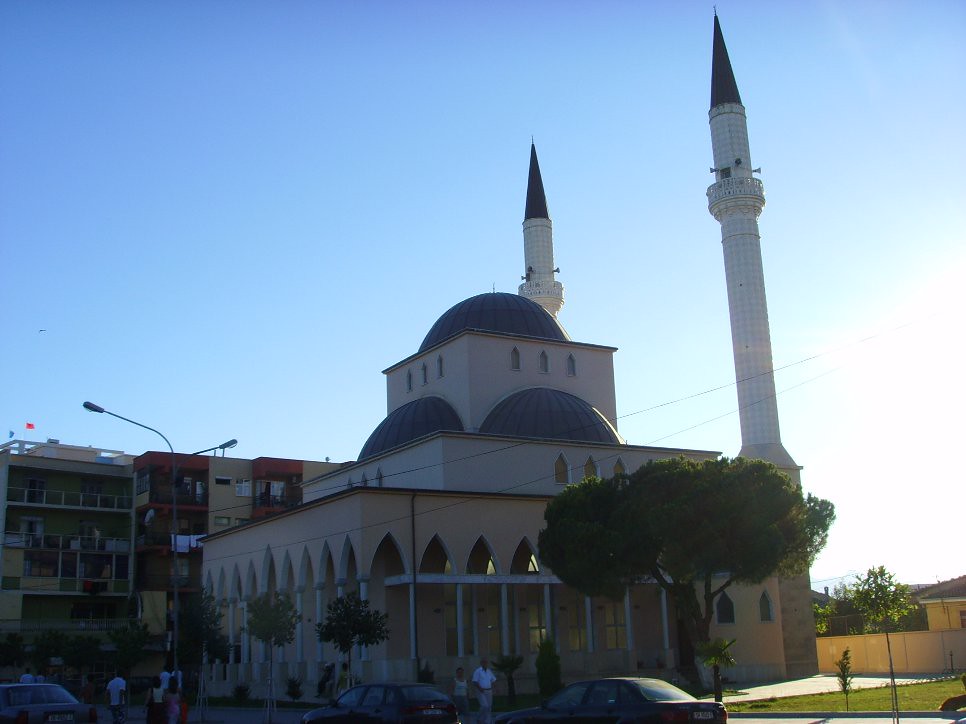
Xhamia e Parruces
Xhamia e Parruces is a good stop if you want to feel the everyday spiritual life of the city beyond the biggest postcard landmarks. It is best seen as part of a wider walk through the neighbourhoods and local streets rather than as a standalone destination, and that is exactly what makes it worthwhile.
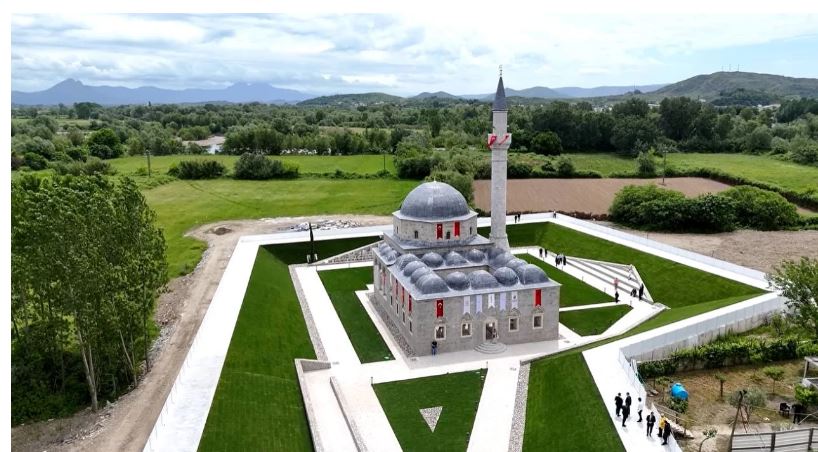
Xhamia e Plumbit
Xhamia e Plumbit, also known as the Lead Mosque, is one of the most important Ottoman religious monuments in the area. Built in 1773 by Mehmed Bushati, it takes its name from the lead that once covered its cupolas, and it is notable for its classical Ottoman design. Because it sits just below Rozafa Castle, it works beautifully as part of the same outing and gives you a stronger sense of Shkodra's Ottoman-era landscape.
St Stephen's Catholic Cathedral
St Stephen's Catholic Cathedral is the English name many visitors use for the same landmark, while local listings call it Katedralja e Shen Shtjefnit or refer to the Metropolitan Archdiocese. If you see both names, treat them as the one cathedral rather than two separate visits. It is a useful thing to know when you are planning your route so you do not double-book the same stop.
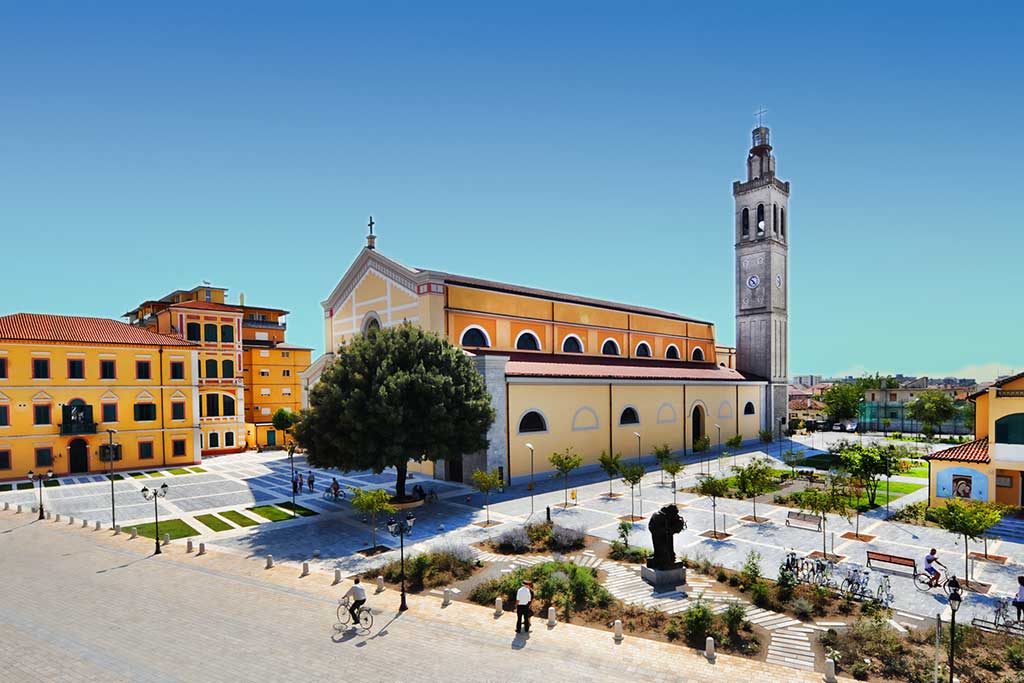
Mountains, River Escapes and Alpine Roads
Shkodra is one of the best bases in Albania for nature day trips. If you came for the dramatic northern scenery you have seen online, this is the section that matters most. For the full planning detail, pair it with our Albanian Alps guide and our day trips guide.
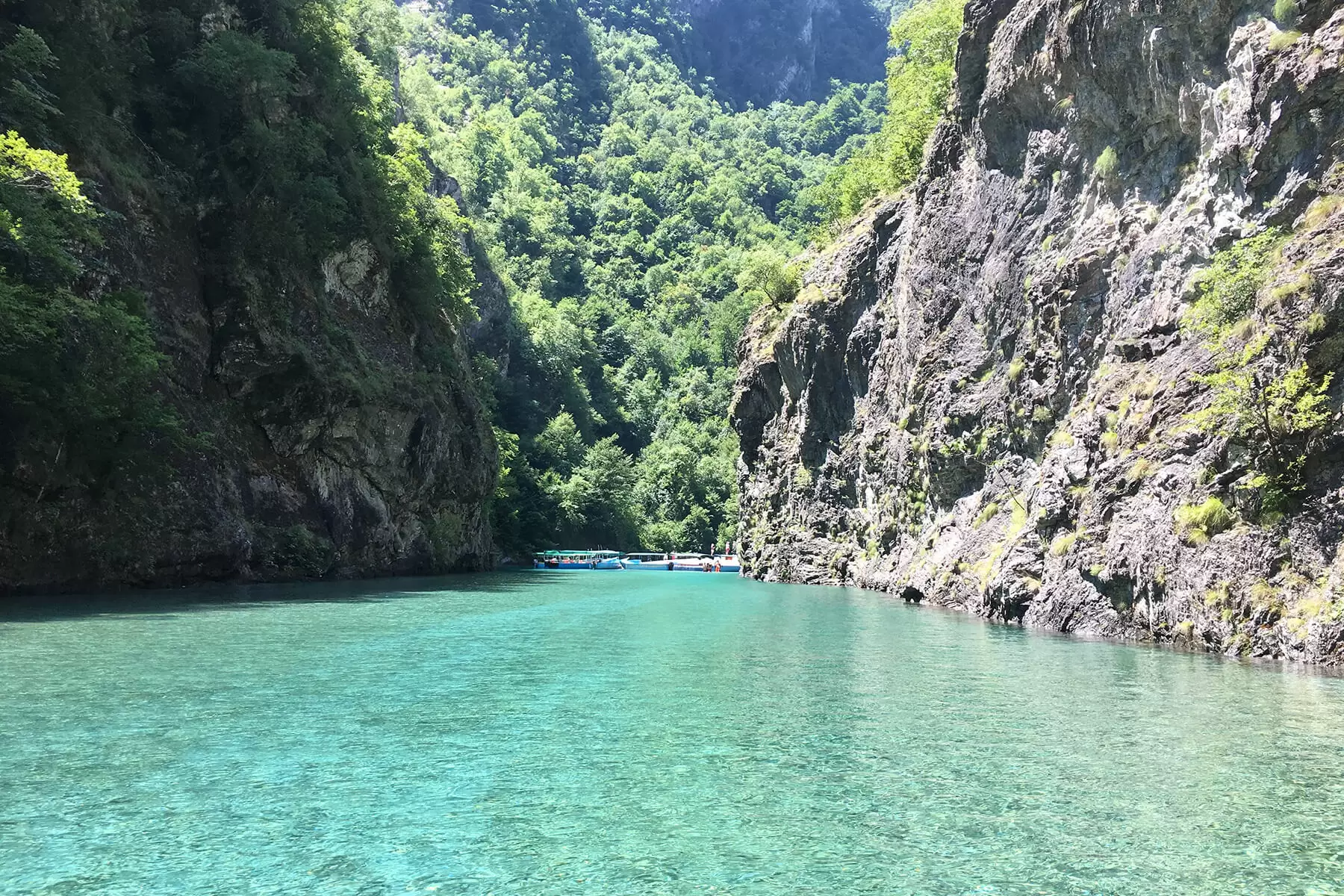
Shala River
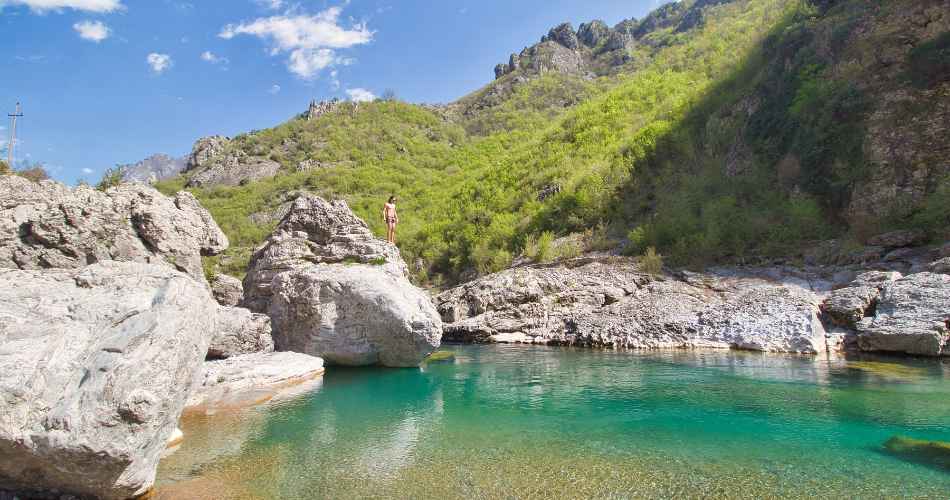
The Shala River is famous for clear turquoise water and a remote, summer adventure feel that has earned it the nickname "the Thailand of Albania". It is a full-day trip rather than a casual short excursion, reached by boat across Lake Koman, and it is at its best if you want swimming spots, white pebble beaches and dramatic canyon scenery. In warm weather it is one of the most requested nature experiences in the whole north.
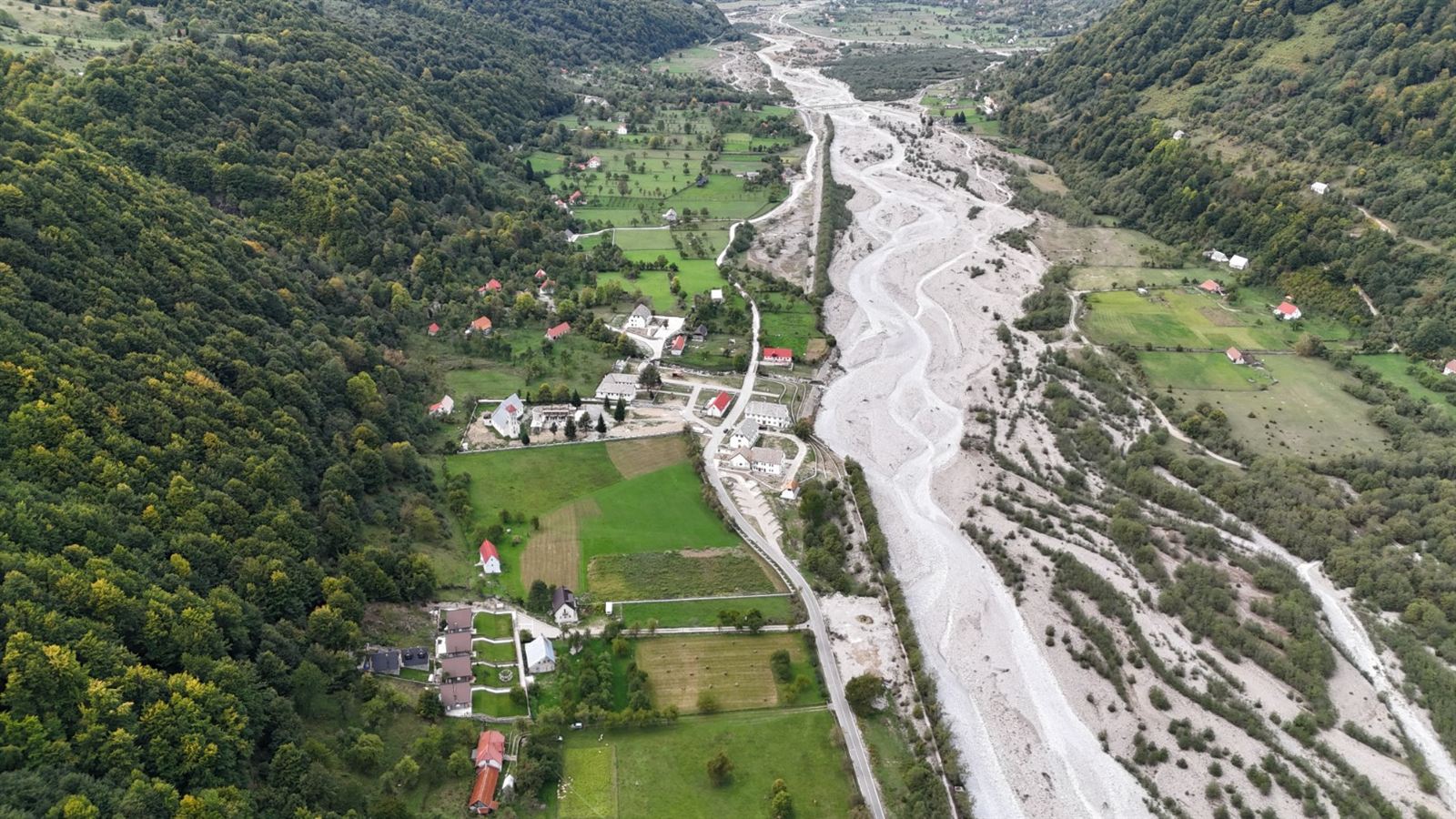
Vermosh
Vermosh is for travellers who want a deep-north, borderland landscape with wide alpine valleys and a slower pace. As the northernmost settlement in Albania it is more remote than the obvious day trips, and that is exactly its charm. Choose it when you want open scenery, a traditional mountain atmosphere and a route that feels far from the tour buses.
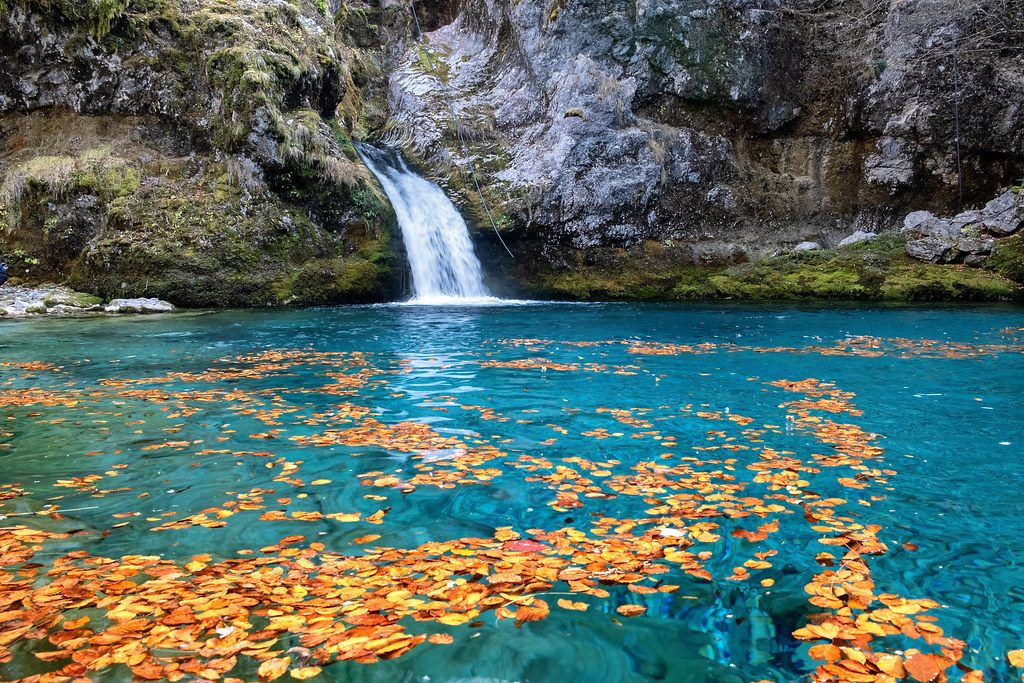
Theth
Theth is the classic mountain destination from Shkodra and our strongest recommendation if you want dramatic alpine scenery on a first visit. The Blue Eye spring, the Grunas Waterfall, stone houses and the famous wooden-roofed church make it one of Albania's flagship destinations, and the road in is now asphalted, so it works comfortably as a day trip. If you only have time for one mountain day, Theth is usually the answer, especially arranged through our guided tours.
Prekal
Prekal is often overlooked, but it works very well as a scenic stop on the road toward the mountains. It offers river valley views, quiet surroundings and a real taste of northern Albania before the more dramatic alpine zones begin. If you do not want a very long day but still want a mountain-road experience, Prekal is a smart, low-effort choice.
Beaches Near Shkodra
Many visitors do not realise how easily Shkodra combines lake, city and coast. The nearby beaches are especially handy in summer when you want sea time without changing hotel.
Velipoje
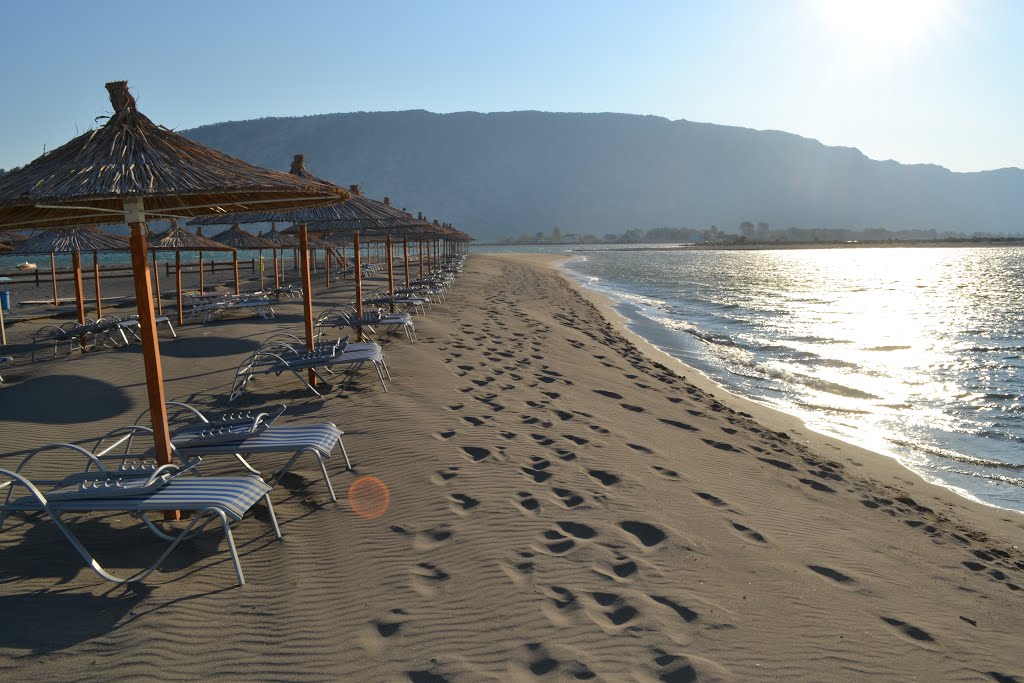
Velipoje is the best-known beach near Shkodra, about 30 km south where the Buna river meets the Adriatic, and the easiest choice if you want a full beach-town atmosphere with a long sandy coast, restaurants and summer buzz. It works well for families, groups and anyone who wants straightforward access and services. If you want the simplest beach day from Shkodra, start here.
Rrjoll
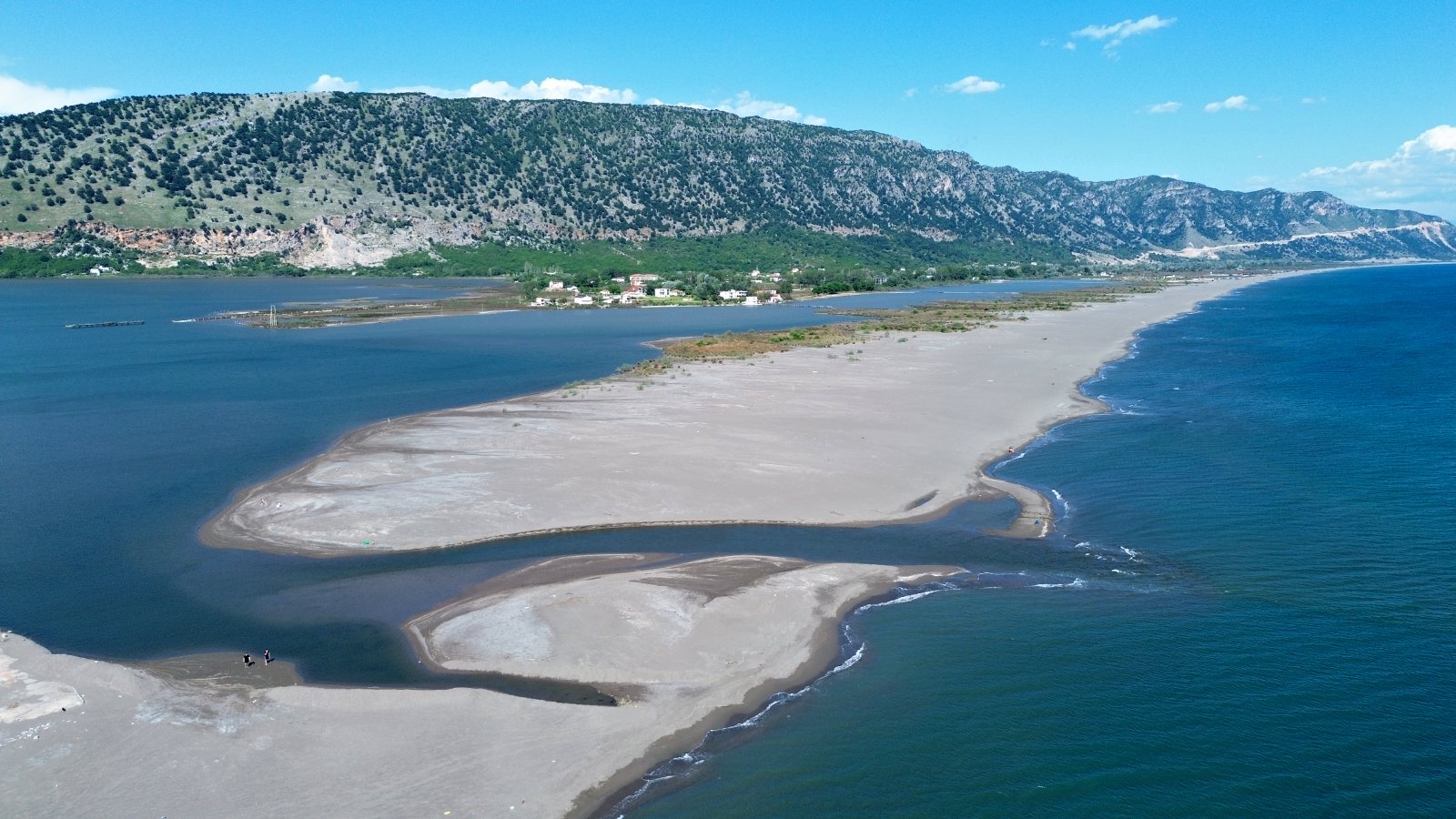
Rrjoll feels more open and less built up than Velipoje. It suits you if you prefer a quieter beach day and a more natural stretch of coastline, with space, fewer crowds and a calmer pace.
Rana e Hedhun
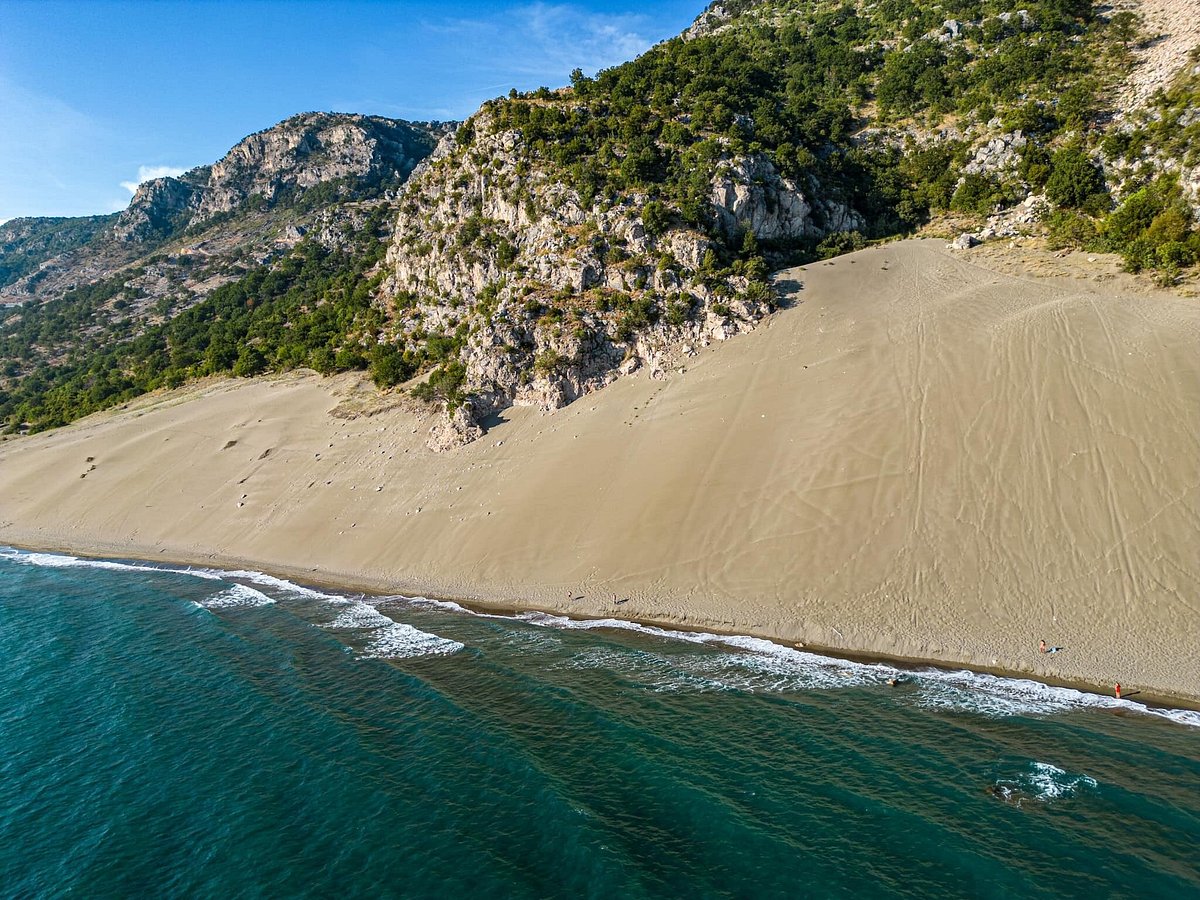
Rana e Hedhun is one of the most photogenic coastal stops in the wider area, thanks to its mix of beach and dramatic sand-dune landscape. It feels more distinctive than a standard swim stop, and it is a strong pick for couples, photographers and anyone who wants something more memorable than a conventional beach afternoon.
Lakeside Villages and Water Views
The lake side of Shkodra is perfect for slower hours, especially in the late afternoon and evening. These spots are ideal when you want scenery without a heavy sightseeing schedule.
Shiroka
Shiroka is the most popular lakeside village near the city and an easy recommendation for almost everyone. It is known for peaceful lake views, seafood restaurants, promenade walks and that famous sunset, and it is a flat 20 minute cycle from the centre. If you only have one evening free, Shiroka is usually the best answer.
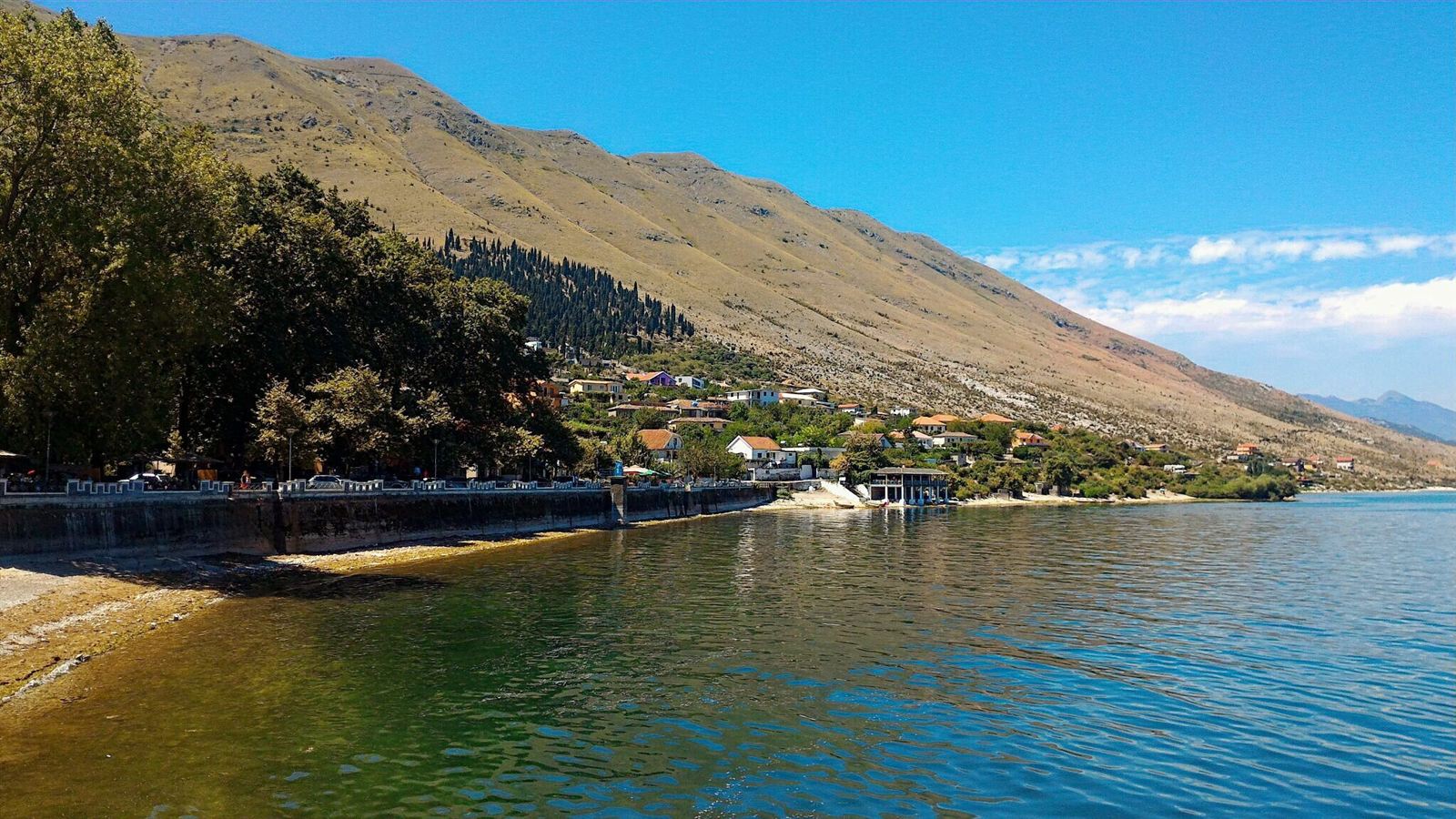
Zogaj
Zogaj sits farther along the shore and feels quieter than Shiroka. It is ideal if you want a more local, less polished experience, with a stronger sense of being on the edge of the lake and close to the Montenegrin side. Pair it with Shiroka for a beautiful half-day lakeside route.
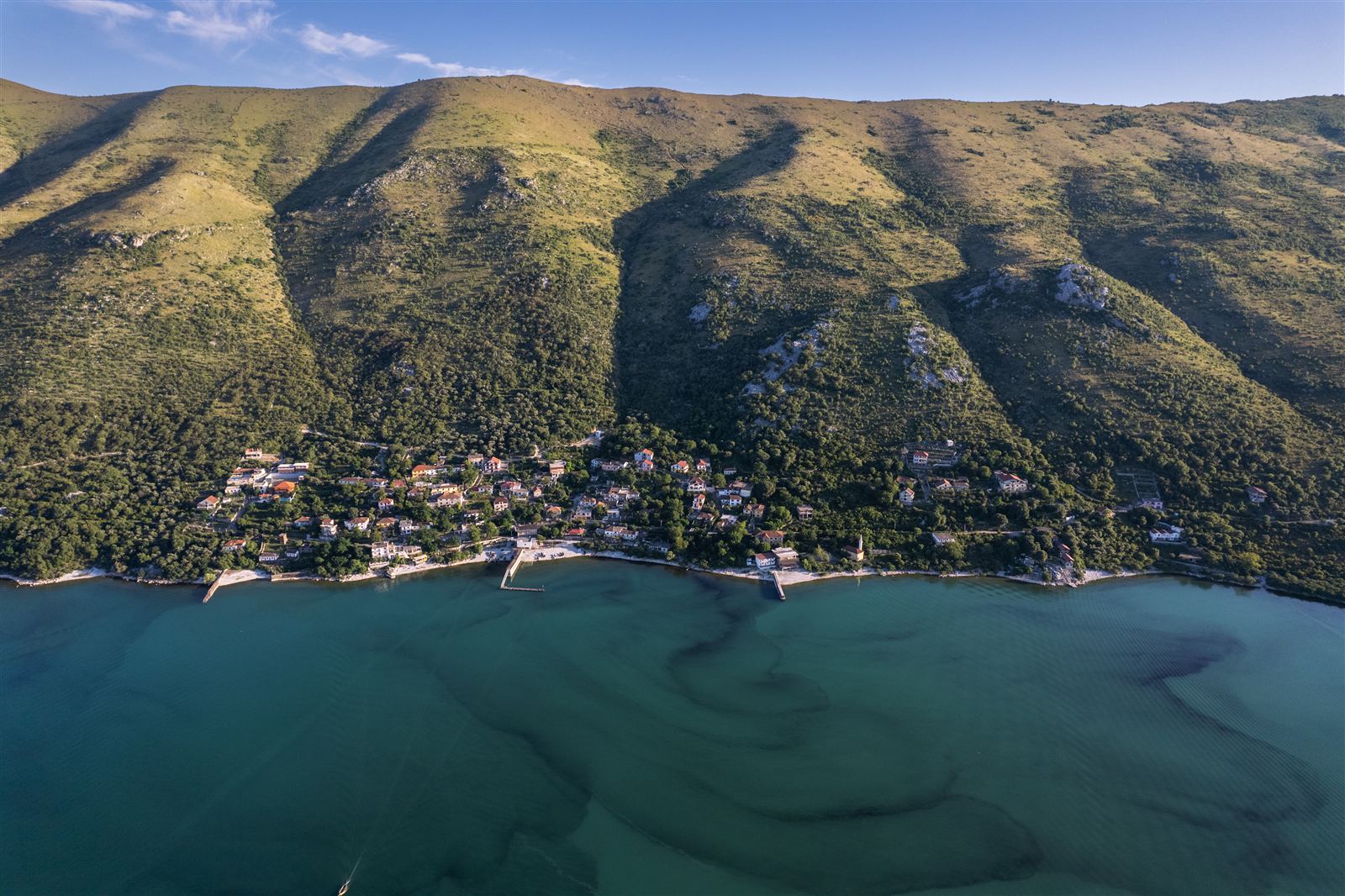
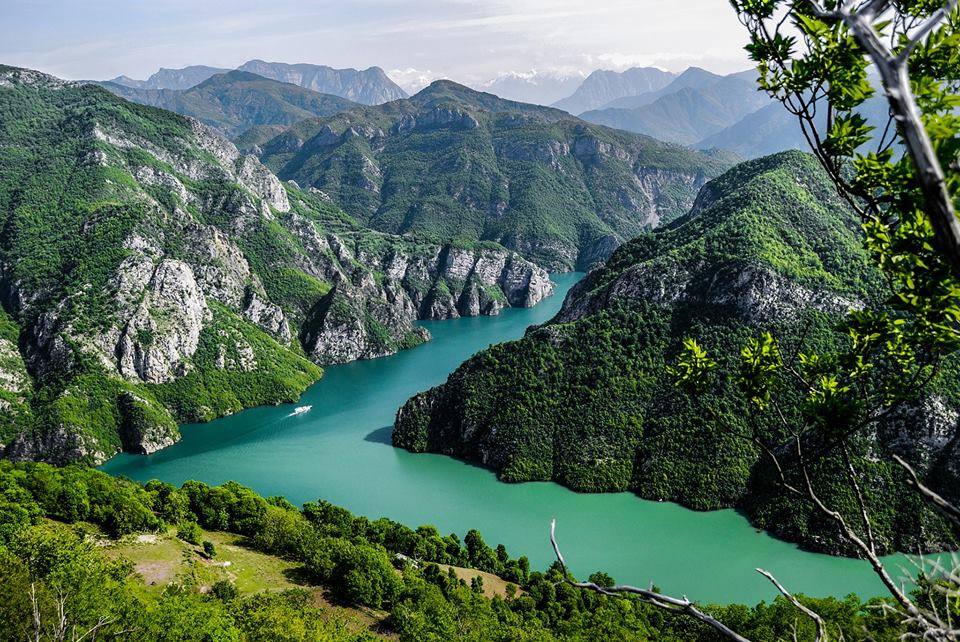
Vau i Dejes Reservoir
Vau i Dejes Reservoir offers a different water landscape from Lake Shkodra: broader, more dramatic and tied to northern Albania's rivers and mountain roads. It is a good add-on if you are driving through the region, especially heading toward the mountains and wanting scenic stops along the way.
If the lake itself is a priority, our dedicated Lake Shkodra guide covers Shiroka, Zogaj, the boat trips and the birdlife in much more detail.
Old City Streets and Heritage Stops
Not every memorable place in Shkodra is a museum or monument. Some of the best stops are street-based and atmosphere-driven, which is exactly what many travellers enjoy most.
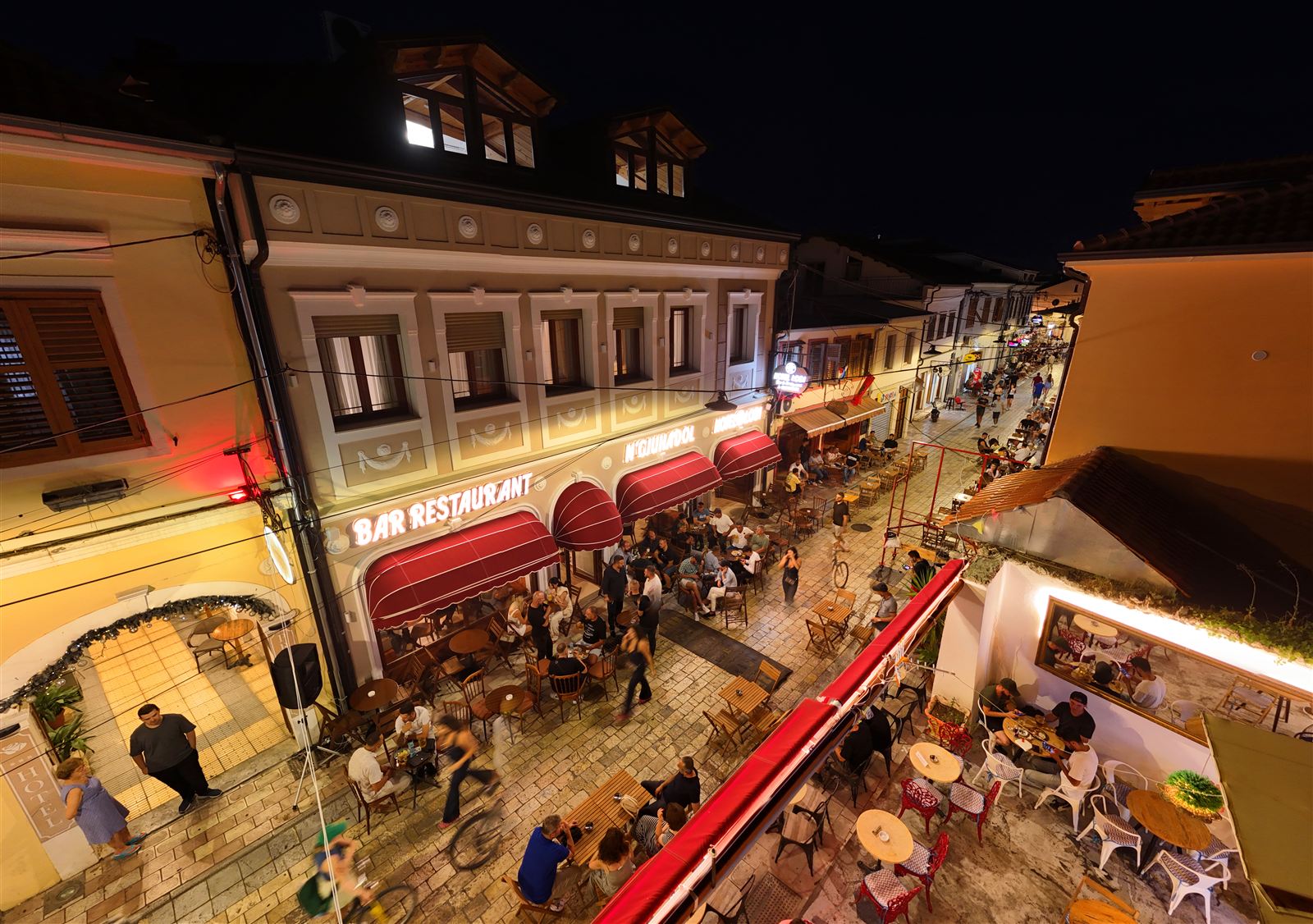
Gjuhadol
Gjuhadol is one of the best parts of the old city for walking, coffee stops and architecture. Its facades, street rhythm and intimate character give you the feeling of historic Shkodra far more than the larger boulevards do. It belongs on almost every relaxed city itinerary.
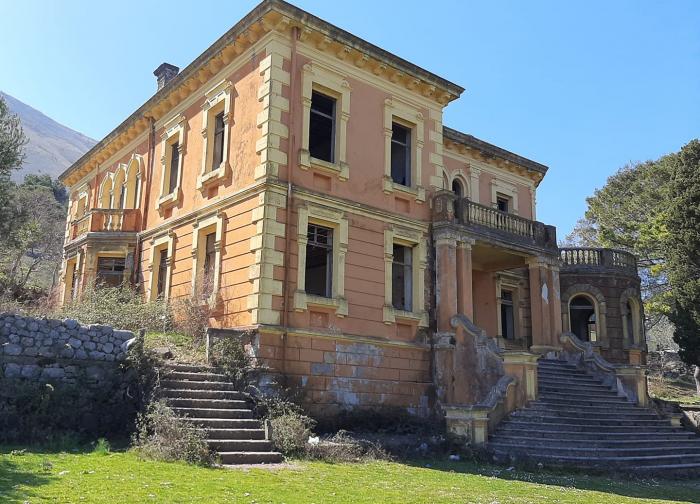
Royal Villa in Shiroka
The Royal Villa in Shiroka is a scenic heritage stop that works best if you like layered stories, elegant settings and photo opportunities by the lake. Even as a short stop rather than a long visit, it adds atmosphere to a Shiroka outing. Pair it with a lakeside meal or a sunset walk.
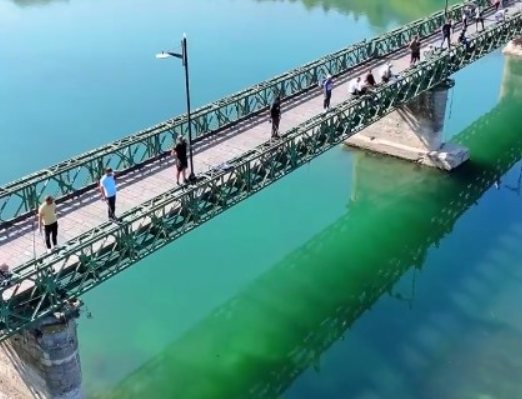
The Old Bridge of Buna
The Old Bridge of Buna is not usually a guidebook headline, but it is a worthwhile stop if you enjoy water views and places that feel authentic rather than curated. It works especially well on a route that links the city with the lake and the Rozafa area.
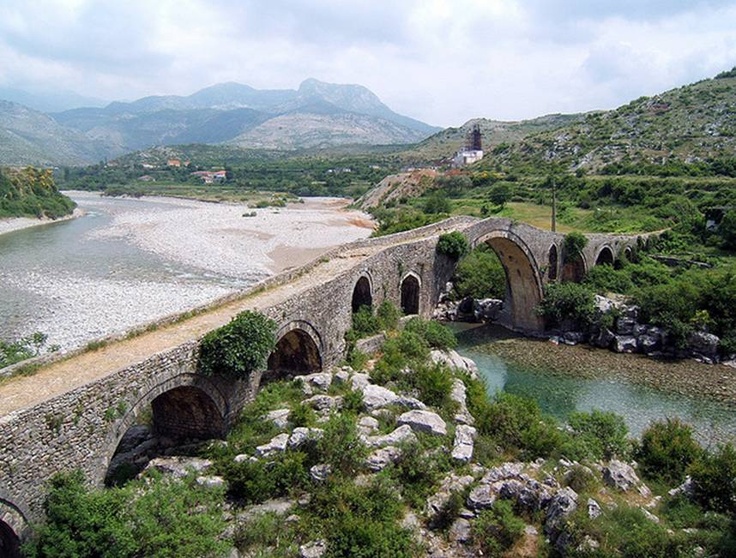
Mesi Bridge
Mesi Bridge is one of the most beautiful Ottoman bridges in the region and one of the most photogenic heritage sites outside the centre. Built around 1770 over the Kir river, it stretches roughly 108 metres across its arches and once connected Shkodra with Drisht and the northern routes. It is a strong choice if you want something historic and visually distinctive, and it is easy to combine with Drisht Castle or a scenic drive. See it in our day trips guide too.
How to Combine These Attractions
For a stay of one to three nights, the biggest value comes from smart grouping. These combinations usually work best:
- Classic first day in Shkodra: Marubi Museum, Gjuhadol, Ebu Bekr Mosque, the cathedral area, Rozafa Castle and a Shiroka sunset
- History-focused route: Site of Witness and Memory, Shkoder History Museum, the Lead Mosque, Rozafa Castle and Mesi Bridge or Drisht Castle
- Nature day: Theth or the Shala River as a full-day excursion
- Relaxed summer day: Velipoje or Rrjoll, then dinner back in Shkodra or by the lake
- Scenic half-day: Shiroka, Zogaj, the Royal Villa in Shiroka and the Old Bridge of Buna
If you want one simple formula for a balanced stay, it is this: one city day, one mountain or river day, and one lake or beach day. That mix is exactly why Shkodra works so well as a base for the whole of northern Albania.
Use NÓS Albania as Your Base
Every place in this guide is an easy walk, cycle or short drive from our front door. NÓS Albania sits on Bulevardi Skënderbeu in the heart of Shkodra, with boutique rooms and apartments from €50 a night, free parking and a tour desk that arranges the mountain, river and lake days above. Check availability for your dates here, see our tours for the guided excursions, or read why guests rate us the best place to stay in Shkodra.