Last updated: 11 June 2026
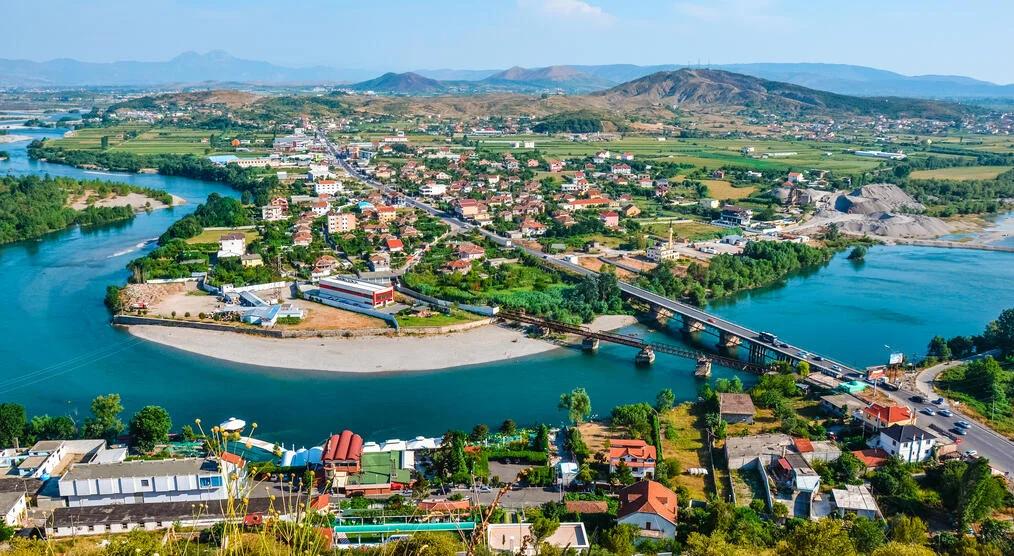
Rozafa Castle (Kalaja e Rozafës) is the one sight in Shkodër nobody should skip: a vast hilltop fortress at the southern edge of the city, wrapped in Albania's most haunting legend, with the best panorama in the region - Lake Shkodra, the Buna and Drin rivers, the Albanian Alps and the city in a single sweep. This local guide covers the legend and the history, tickets and timing, how to get up the hill from the city centre, and the question we answer at reception almost daily: where should you stay if Rozafa Castle is on your list?
Rozafa Castle at a Glance
| Essentials | The short version |
|---|---|
| Where | A rocky hill above the meeting of the Buna and Drin rivers, at the southern edge of Shkodër, about 3 km from the centre |
| Getting there | 10 minutes by taxi, ~15 by bike, 40-45 on foot - then a 10-15 minute climb up the cobbled path |
| Entry | A few hundred lek (~€3-4), cash; the small castle museum charges a little extra |
| Time needed | 60-90 minutes on the hill |
| Best moment | Morning before the heat in summer; golden hour for the views; any clear day in winter |
The Legend of Rozafa: A Wall That Demanded a Bride
Every Albanian knows this story. Three brothers were raising the castle, but whatever they built by day collapsed in the night. A wise old man told them the walls demanded a sacrifice: whichever of their wives brought lunch up the hill the next day must be walled in alive. The brothers swore a besa - the Albanian oath of honour - not to warn their wives. The two older brothers broke their word that same evening. Only the youngest kept silent, and so it was his young wife, Rozafa, who climbed the hill with the midday meal.
Told her fate, Rozafa did not run. She asked only that the masons leave openings for her right eye, her right hand, her right breast and her right foot - so she could still see, caress, feed and rock her infant son. The walls held, and they have held ever since. To this day a milky seep in the limestone near the entrance is said to be her milk still flowing; ask at the gate and someone will point you to it. Versions of the immured-bride legend exist across the Balkans, but Shkodra's telling is the most famous - and standing beneath these walls, you understand why.
From Illyrian Capital to the Great Siege
The hill has been fortified since at least the 4th century BC, when Scodra was the stronghold of the Illyrian Labeates and, under King Gentius, the seat of the last Illyrian kingdom. Gentius picked the wrong side against Rome and was defeated in 168 BC - the moment ancient Illyria passed into history and Shkodra's first golden age ended.
Most of what you walk on today is medieval. The fortress passed through Byzantine and Serbian hands before Venice took over, and the Venetians gave the walls much of their present shape. Their rule ended with one of the most dramatic episodes in Balkan history: the Siege of Shkodra of 1478-79, when Sultan Mehmed II - the conqueror of Constantinople - personally led an enormous Ottoman army against a garrison of roughly 1,600 Venetians and Albanians. The defenders held the hill through weeks of bombardment and months under siege; in the end Venice ceded the city by treaty, and the survivors marched out with their honour intact. The Shkodran humanist Marin Barleti wrote the first printed account of the siege, and the city has never forgotten it: the castle is the centrepiece of local identity, not just a viewpoint.
What You'll See Inside
The fortress is far bigger than it looks from below, divided into three walled courtyards that step up the spine of the hill.
- The ramparts and views - the reason most people come. From the walls you look over Lake Shkodra to the northwest, the Buna river and its bridge directly below, the Drin winding in from the east, Tarabosh mountain across the water and the Albanian Alps on the horizon. Sunset from here is the classic Shkodra photograph.
- The church-mosque - in the third courtyard stand the ruins of St Stephen's Church, converted into a mosque after the Ottoman conquest. Its layered stonework tells the whole history of the city in one building.
- The castle museum - a small, well-done museum in a restored Venetian building covers the Illyrian origins, the sieges and the legend. Worth the modest extra ticket if it is open during your visit and the period interests you.
- The legend made stone - the milky limestone seep near the gate, and the bas-relief of Rozafa herself. Bring the story with you (or read it on the wall panels) and the ruins come alive.
How to Get to Rozafa Castle from the City Centre
- Taxi - the simplest option: a short, cheap ride of about 10 minutes from the centre. Have the driver drop you at the parking area partway up the hill; from there a final cobbled stretch of about ten minutes remains.
- Bicycle - Shkodra is Albania's cycling city and the ride out is flat until the hill itself; most riders lock their bike at the bottom and walk up. Around 15 minutes each way.
- On foot - a flat 40-45 minute walk from the pedestrian zone, with the Lead Mosque a natural stop en route. In July and August, do it in the morning or the cooler late afternoon.
- Driving - there is parking partway up the hill, so you skip the approach from town but not the final climb. Handy if you are arriving from or continuing toward Tirana, since the castle sits right where the main road meets the city.
However you arrive, the final stretch is the same for everyone: a cobbled lane whose stones have been polished to marble by centuries of feet. It is short, but wear shoes with grip - especially after rain.
Tickets, Hours & Practical Tips
- Entry costs a few hundred lek (around €3-4), with a small additional ticket for the museum. Bring cash - and check prices on arrival, as they change from season to season.
- Opening hours run long into the evening in the warm months - sunset visits are very much possible - and shorter in winter. Ask at our reception and we will confirm the current times for you.
- Allow 60-90 minutes on the hill, more if you linger over the views or the museum.
- Summer visits: there is little shade on the walls. Go early or late, take water and a hat.
- Footwear: the polished stones are genuinely slippery. Trainers or walking shoes, not sandals.
- Photography: golden hour is the magic window - the lake catches the light and the rivers turn to ribbons. It works in every season.
Make It a Half-Day: The Lead Mosque, the Buna & a Shiroka Sunset
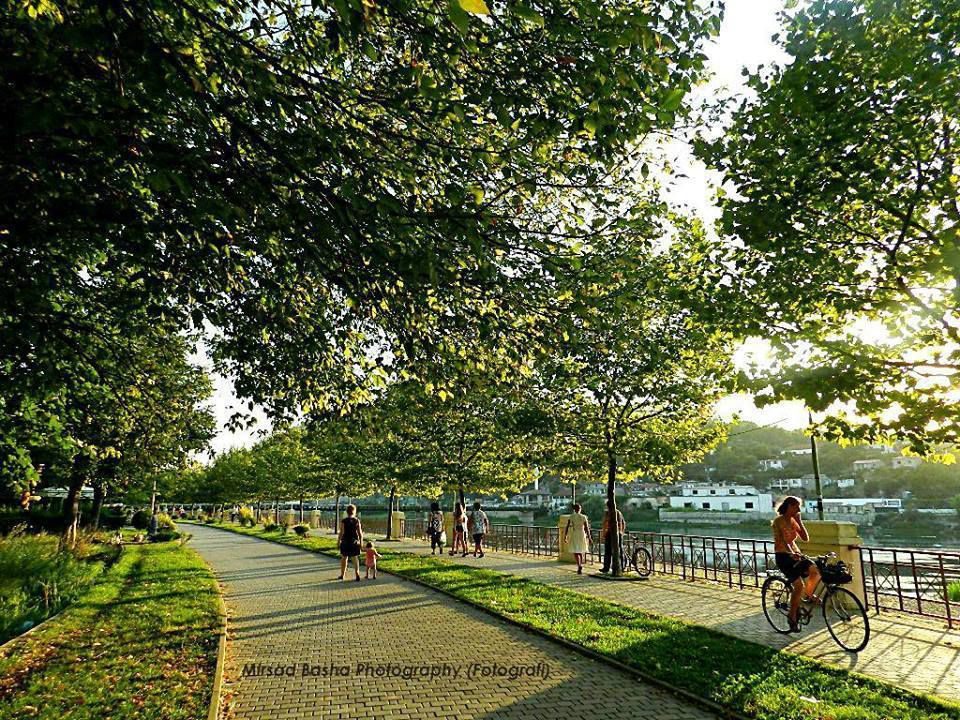
The castle pairs naturally with the sights at its feet. Directly below stands the Lead Mosque (Xhamia e Plumbit), built in 1773 by Mehmed Bushati and one of the finest Ottoman monuments in northern Albania - it is on the way, so see it on the same outing. The fish restaurants along the Buna river make an excellent lunch stop, and if you time the day right, you can roll on to Shiroka on the lakeshore for the sunset every visitor photographs. Our guides to Lake Shkodra and the best places to visit in Shkodra help you build out the rest of the day, and our tour desk can arrange a lake boat trip to follow the castle morning.
Staying Near Rozafa Castle: Why the City Centre Wins
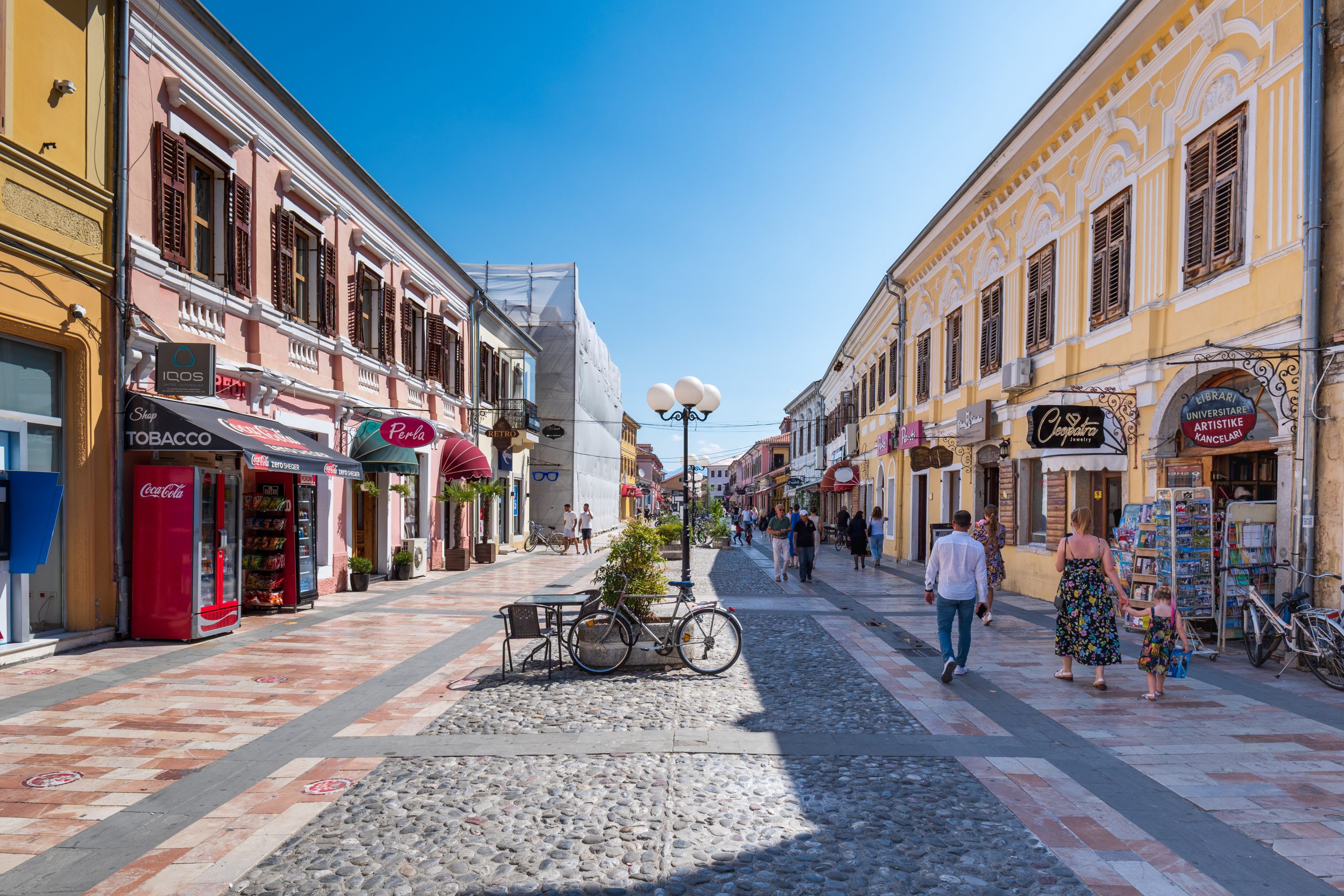
Here is the honest local answer to "hotels near Rozafa Castle": the castle stands at Shkodra's southern gateway, where the main road from Tirana meets the city - convenient for drivers passing through, but quiet in the evenings and a drive away from everything else you came for. Unless you specifically need to sleep beside the highway, you will have a much better trip basing yourself in the city centre, ten minutes away: that is where the pedestrian zone, the restaurants, the museums and the café life are, and the castle is a short taxi or bike ride - or a flat riverside walk - from your door. Our where-to-stay guide compares all the areas of the city in detail.
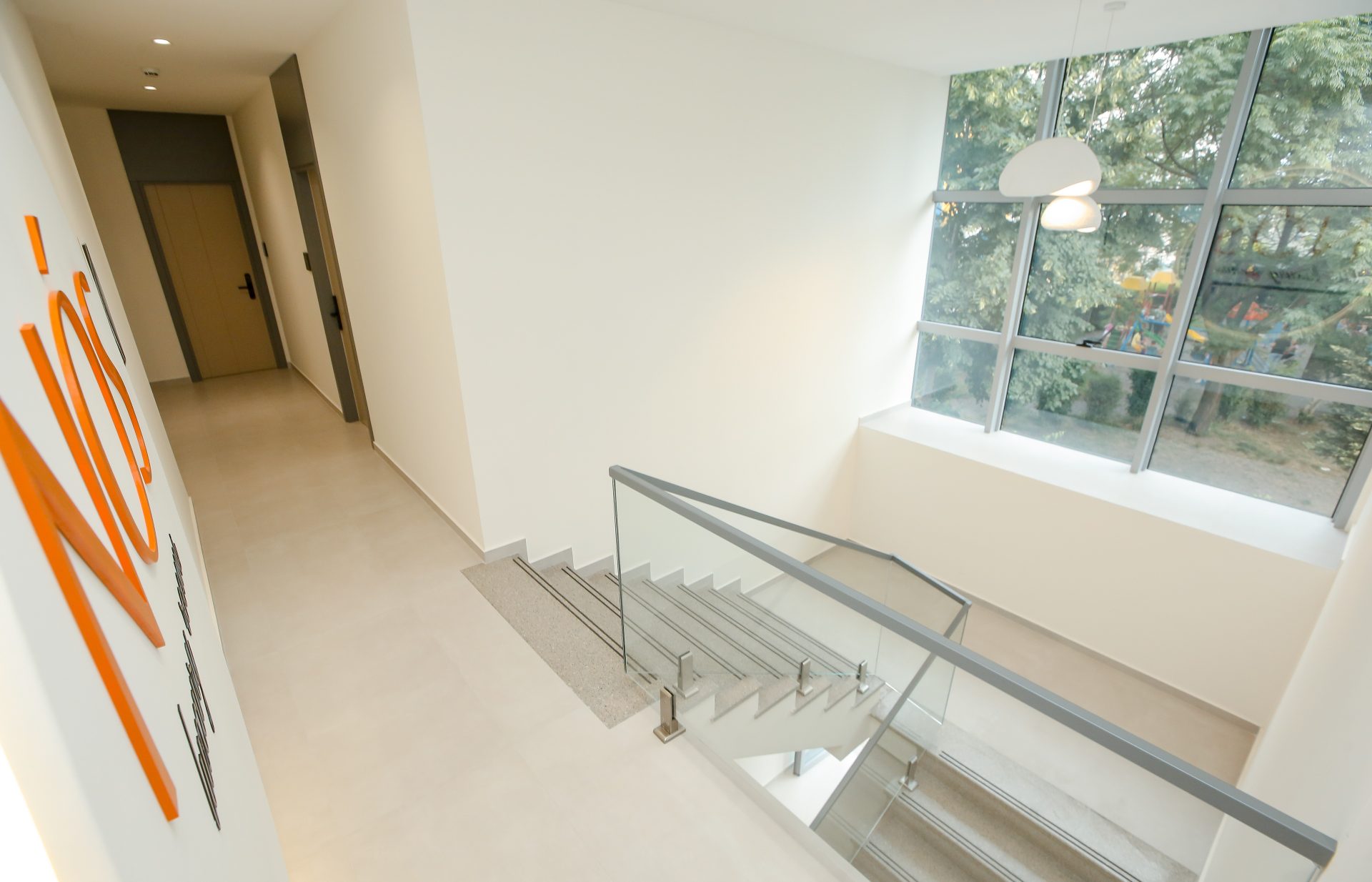
NÓS Albania sits on Bulevardi Skënderbeu in the heart of that walkable centre - boutique rooms and serviced apartments from €50 a night, with air conditioning for the summer climb, free private parking if you are driving, and a reception that will happily sort castle opening times, taxis, bikes and everything else in this guide. You can see the fortress, walk it, and be back in the pedestrian zone for dinner.
Frequently Asked Questions
How long does Rozafa Castle take to visit?
Sixty to ninety minutes on the hill, plus the 10-15 minute climb each way. With the Lead Mosque and a Buna-side lunch it makes a comfortable half-day.
How much is the entrance fee?
A few hundred lek - around 3-4 euros - paid in cash at the gate, with a small extra ticket for the museum. Prices change seasonally, so confirm on arrival.
Are there hotels near Rozafa Castle?
The area right at the castle is a road junction with little around it in the evening. The closest practical place to stay is the city centre, about 3 km away - ten minutes by taxi - where you will also find the restaurants and nightlife. That is where we are.
Can you walk to the castle from central Shkodër?
Yes - it is a flat 40-45 minute walk from the pedestrian zone, then the short climb. Many guests cycle instead; it is about 15 minutes on Shkodra's flat lanes.
Is the castle open in winter?
Yes, year-round - winter hours are shorter, but a clear winter day gives you snow on the Alps, perfect visibility and the walls to yourself.
Is it suitable for children or visitors with limited mobility?
Children generally love it - keep small ones close near the unguarded wall edges. The climb is short but steep, and the old stones are uneven and slick, so visitors with limited mobility will find it challenging; a taxi to the parking area shortens the approach, but the final climb remains.
Your Base Below the Castle
Whenever you come - and every season has its case - the easiest way to do Rozafa Castle well is to stay in the centre and treat the fortress as your first golden-hour outing. NÓS Albania puts you on Bulevardi Skënderbeu with the whole city at your feet and the castle ten minutes away. Check availability for your dates here - and ask us for the sunset timing when you arrive; we keep track of it for exactly this reason.